

Understanding OFAC Sanctioned Countries: Implications and Regulations
The Office of Foreign Assets Control (OFAC) plays a crucial role in the American government’s effort to enforce economic and trade sanctions. This U.S. Department of the Treasury office administers and enforces economic and trade sanctions against targeted foreign countries and regimes, terrorists, international narcotics traffickers, and those involved in activities related to the proliferation of weapons of mass destruction. The list of OFAC sanctioned countries is an essential aspect of this effort, impacting various global economic activities and international relations.
What Are OFAC Sanctions?
Sanctions can take many forms, including asset freezes, restrictions on financial transactions, and prohibitions against importing or exporting goods. They aim to compel changes in behavior or policies in targeted nations or entities. Sanctions are often a response to actions deemed threatening to the national security, foreign policy, or economy of the United States. Understanding the specific sanctions imposed on various countries is vital for businesses and individuals engaging in international trade or relations.
The List of Sanctioned Countries
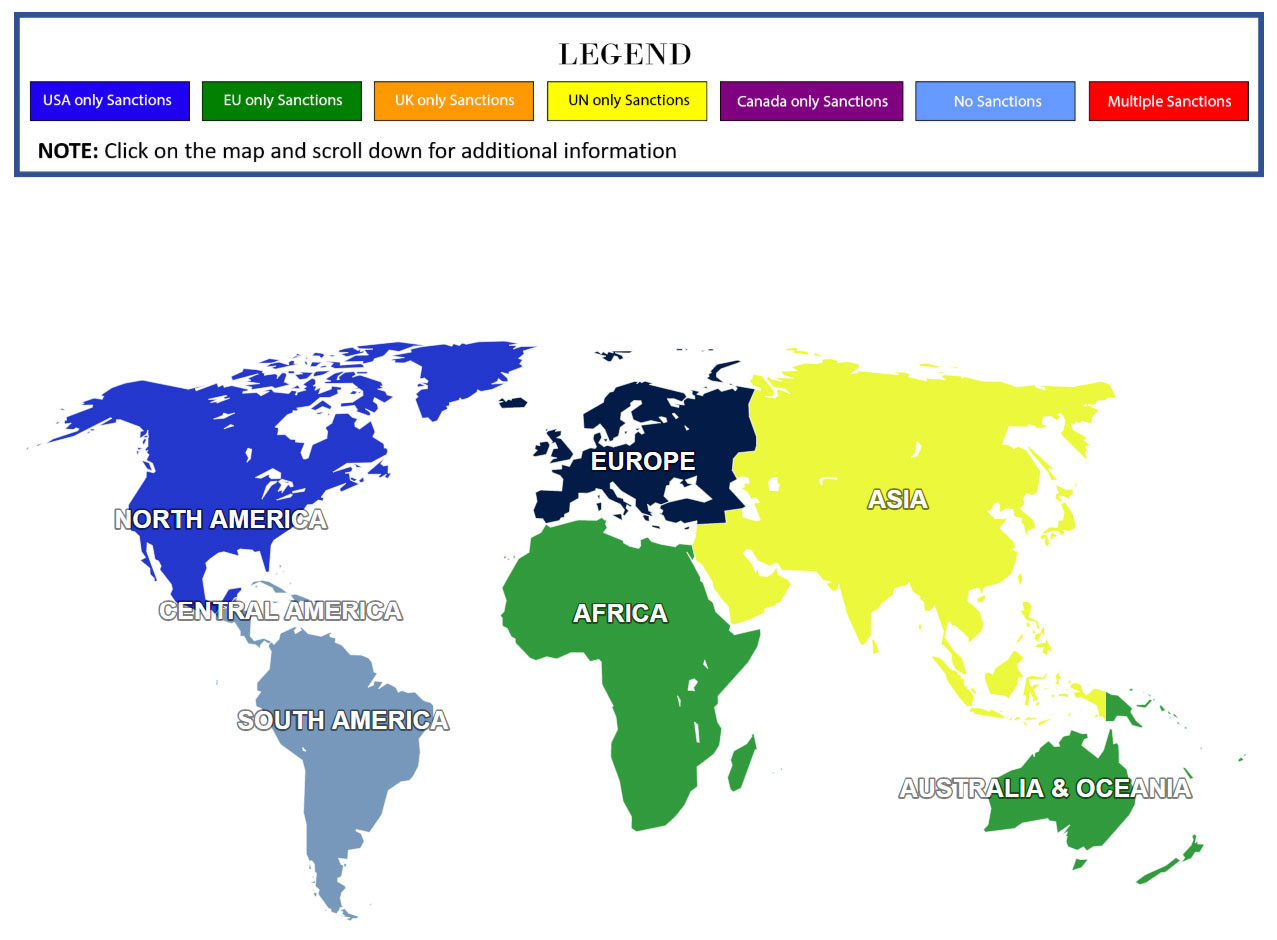
OFAC maintains several lists that include sanctioned countries, individuals, and entities. The most notable list includes Comprehensive Sanctions and Limited Sanctions. As of my last training data, countries such as North Korea, Iran, Syria, and Cuba are often highlighted in discussions about OFAC sanctions. Each of these nations faces unique restrictions based on their activities concerning terrorism, nuclear proliferation, and other geopolitical factors.
Reasons for Imposing Sanctions
Sanctions are a tool utilized for various policy reasons. These can include:
- Terrorism: Countries that support or harbor terrorist organizations may face stringent sanctions.
- Nuclear Proliferation: Nations developing weapons of mass destruction can be subjected to international isolation through economic sanctions.
- Human Rights Violations: Regimes known for egregious human rights abuses may be sanctioned to pressure change.
- Military Aggression: Countries engaging in aggressive military actions against others may also find themselves targeted.
Compliance and Consequences
For businesses, compliance with OFAC regulations is not optional. Companies engaged in import/export activities or international financial transactions must be vigilant in ensuring they do not inadvertently engage with sanctioned entities. The consequences of non-compliance can be severe, including hefty fines, loss of export privileges, and reputational damage. It is crucial for businesses to implement effective compliance programs, which may involve regular training, due diligence procedures, and monitoring mechanisms to avoid inadvertently breaching sanctions.
The Impact of Sanctions on Global Trade
OFAC sanctions have profound implications for global trade. For example, companies operating in industries directly affected by sanctions, such as oil and gas, banking, and technology, often face significant challenges. The ripple effects can extend to supply chains, partne
rships, and market availability. Additionally, countries subject to sanctions may react by seeking alternative trade partners or creating informal trade networks that bypass traditional financial systems.
International Reactions
The imposition of sanctions by the U.S. can provoke varied responses from the international community. Some countries may align themselves with the U.S. position, while others may oppose sanctions, viewing them as an infringement on sovereignty or a failure to respect international law. Countries like Russia and China have often criticized U.S.-imposed sanctions, arguing for a multipolar world where nations can pursue their interests without coercion.
The Future of Sanctions
As geopolitical conditions evolve, so too will the nature of OFAC sanctions. The increasing sophistication of financial systems and digital currencies presents new challenges for monitoring and enforcing sanctions. Furthermore, emerging global issues, such as climate change and cybersecurity threats, may shape future sanction policies. Businesses must remain adaptable and informed about the changing landscape to navigate these complexities successfully.
Conclusion
In summary, understanding OFAC sanctioned countries and the implications of economic sanctions is critical for anyone engaged in international trade, compliance, or policy development. The regulatory environment is complex and dynamic, requiring continuous monitoring and strategic planning. By remaining informed and compliant, individuals and businesses can mitigate risks associated with sanctions and contribute to a more stable international order.